
Who Is Defining the Global Influence of Chinese Enterprises? The "2026 Annual Report on the Global Influence of Chinese Enterprises" Has Been Officially Released
2026-06-15Huang Liping, Chief Reporter for This Website
Photography by Wang Ping
From Ya'an, Sichuan:
On the afternoon of August 8, an event was jointly organized by Shangkun Group (Sichuan) Bio-Development Technology Co., Ltd. and the Chengdu Polymer Industry Promotion Association, in collaboration with the School of Chemical Engineering at Southwest University, the Institute of Polymer Materials at Sichuan University, the School of Materials Science and Engineering at Xihua University, the School of Materials Science and Engineering at Sichuan University of Light Industry, the Sichuan Food and Beverage Industry Association, the Chengdu Medical Device Industry Association, the Luzhou Alcoholic Beverage Packaging Association, Sichuan Meifeng Polymer Materials Technology Co., Ltd., Sichuan Xingda Plastics Co., Ltd., Xinjiang Lanshan Tunhe Technology Co., Ltd., Chengdu Yue Rongjin Industrial Co., Ltd., the “Innovation in Biodegradation for a Shared Green Future – 2026 Symposium on Biodegradation Technology and Ecological Development” was grandly held in Ya’an, Sichuan. More than 200 guests, including industry experts, scholars, and entrepreneurs from over 100 enterprises and institutions across the country, attended the event.
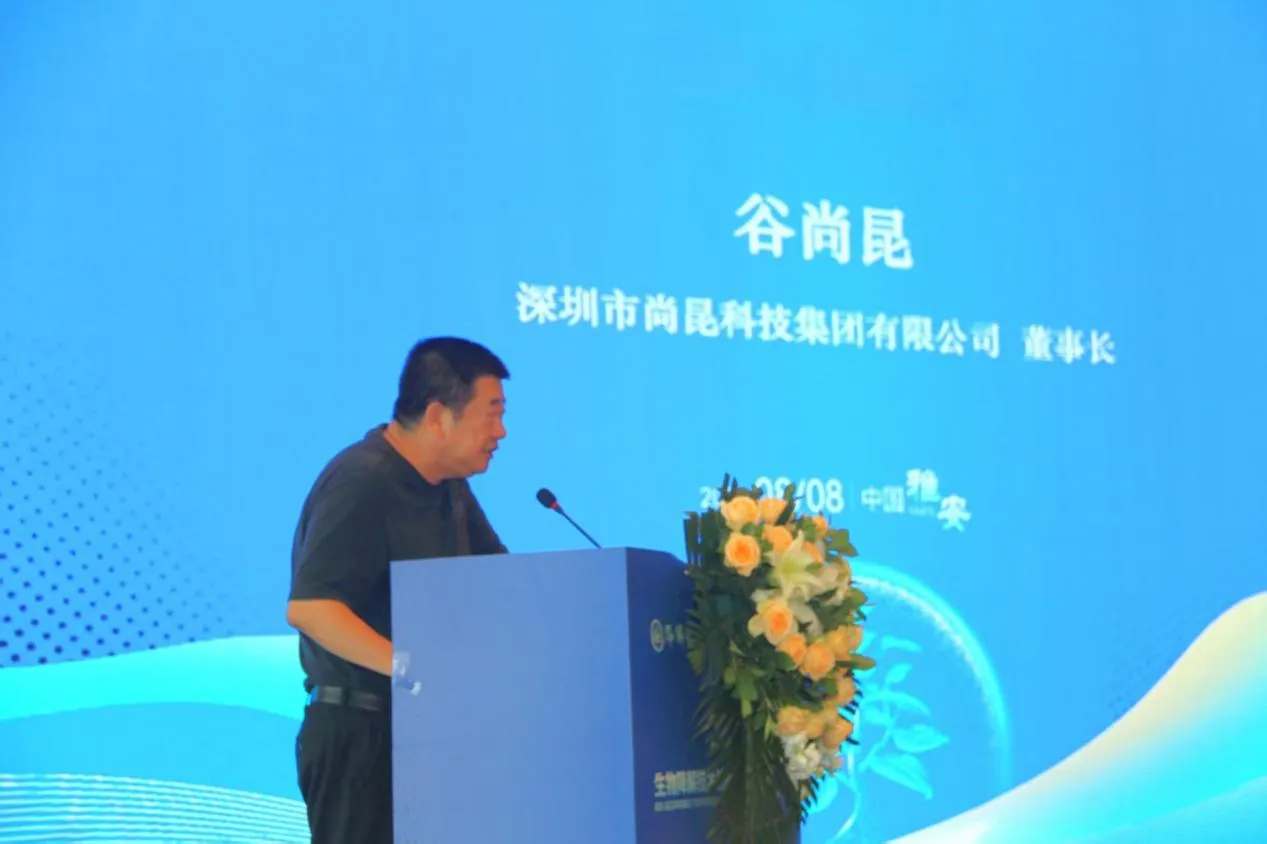
Remarks by Gu Shangkun, Chairman of Shangkun Group
In his remarks, Gu Shangkun, Chairman of Shenzhen Shangkun Technology Group, revealed: “Today, we have gathered in Ya’an, a land of ecological abundance. Shangkun Technology Group’s establishment in Yucheng District, Ya’an City, represents a key flagship project for the region’s green new materials industry.” The project focuses on the research, development, and production of ore-based enzyme (OBE) biodegradable plastic masterbatches, while simultaneously planning and constructing a downstream plastic products industrial park to establish a complete green industrial chain system encompassing “R&D, production, and application.” Currently, all aspects of the project are progressing smoothly. To jointly explore innovation in biodegradable technology, quality improvement, industrial synergy, and market implementation, the event has fostered consensus, pooled resources, and charted a course for the high-quality development of the biodegradable industry in Southwest China. By expanding into Ya’an against the market trend and deepening its commitment to green industries, the Group has fully demonstrated the responsibility, vision, and commitment expected of a leading enterprise. The Group is even more confident that, leveraging Ya’an’s superior ecological foundation and business environment, the biodegradable industry will surely take root and thrive in Woshi.
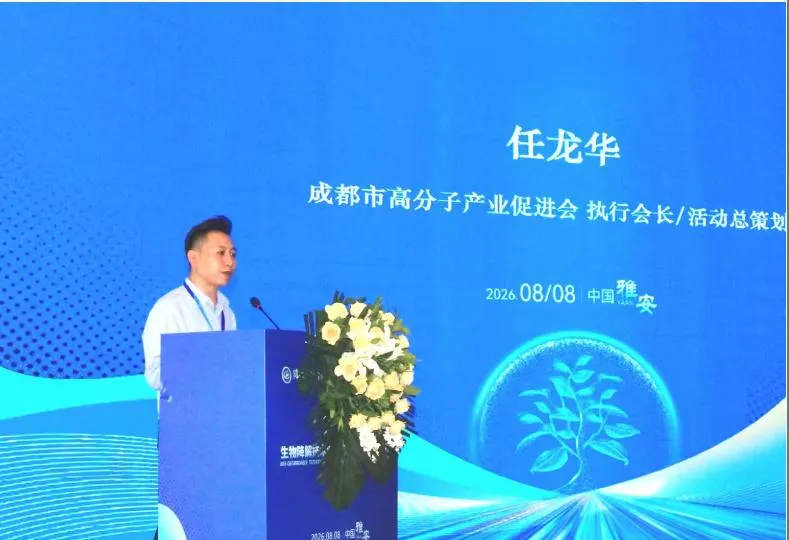
Remarks by Ren Longhua, Executive President of the Chengdu Polymer Industry Promotion Association
In his opening remarks, Ren Longhua, Executive President of the Chengdu Polymer Industry Promotion Association, expressed his sincere gratitude for the partnership with Shangkun Group and extended his thanks and welcome to all the guests for attending the event.
Cao Jifeng, an expert from the Fifth Research Institute of the Ministry of Industry and Information Technology; Lu Yongzhong, an academician of the State Council’s Academy of Agricultural Sciences; and Huang Jin, a professor at Southwest University, delivered keynote speeches on “Innovative Transformations and Future Development Directions of AI-Empowered Biodegradation,” “Research on the Urban Implementation of the Biodegradation Industry in Counties and Pathways to National-Level Industrialization,” and “ High-Value Conversion of Biomass: Nanocellulose-Enabled Performance Upgrades for Biodegradable Materials.” The insightful guidance and advice offered by these experts and scholars precisely highlighted the core elements of the degradation industry’s development in the new era—innovation-driven growth, standards-led progress, and compliance-driven quality improvement—and charted a clear course for future technological advancements and standardized industrial development within our sector.
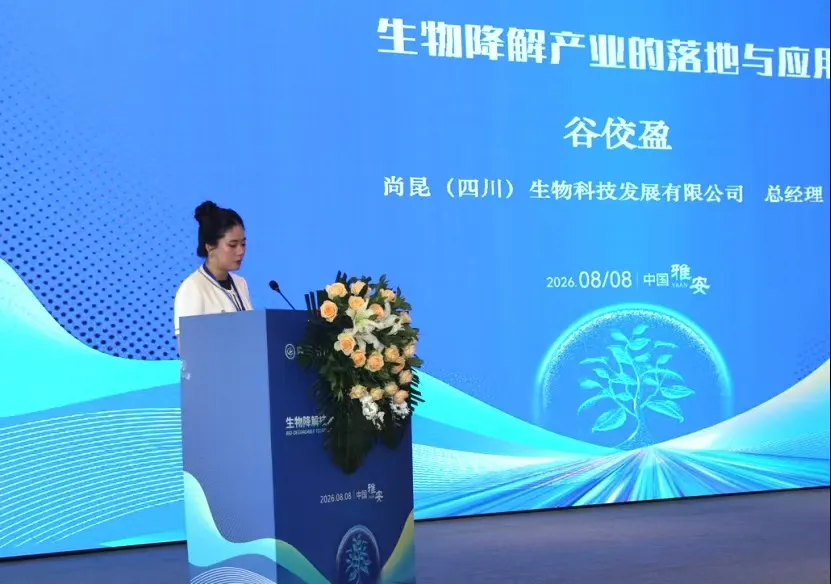
Gu Jiaoying, General Manager of Shangkun (Sichuan) Biotechnology Co., Ltd., is giving a technical presentation
Gu Jiaoying, General Manager of Shangkun (Sichuan) Biotechnology Co., Ltd., delivered a presentation titled “Implementation and Applications of the Biodegradable Industry” at the exchange meeting. As the implementing entity for the OBE Bio-Enzyme-Based New Materials Industrial Park project, the initiative leverages Ya’an’s abundant local calcium carbonate mineral resources to establish a complete industrial chain—from raw materials and modified masterbatches to end-use biodegradable products—thereby addressing gaps in the region’s biodegradable industry. The project has established an integrated smart production line for blow-molded bags, sheet extrusion, and thermoforming, capable of large-scale production of OBE biodegradable masterbatch, eco-friendly packaging bags, fresh produce trays, and disposable tableware. These products can be widely applied in numerous scenarios, including supermarket retail, food service, and agricultural production. The project has also obtained production certification for food-grade plastic packaging and strictly adheres to relevant national standards for food contact materials to ensure product safety and compliance. Shangkun Group has independently developed its core OBE (Ore-Based Enzyme) biodegradation technology, securing key invention patents in both China and the United States. It is one of the few original technologies worldwide capable of both completely biodegrading traditional polyolefins and gradually breaking down existing plastic waste in the environment. Furthermore, OBE technology is fully compatible with existing mainstream degradable materials, easily covering nearly all application scenarios, including food, express delivery, agriculture, and healthcare.
Leveraging its strong technical capabilities, the company has taken the lead in developing several OBE industry standards and has been consecutively recognized as a “frontrunner” in corporate standards by eight national ministries and commissions. The core metrics of its corporate standards exceed those of relevant national standards, and its technical solutions have been featured in the State Council’s internal reference materials and included in the Ministry of Ecology and Environment’s recommended technology list.
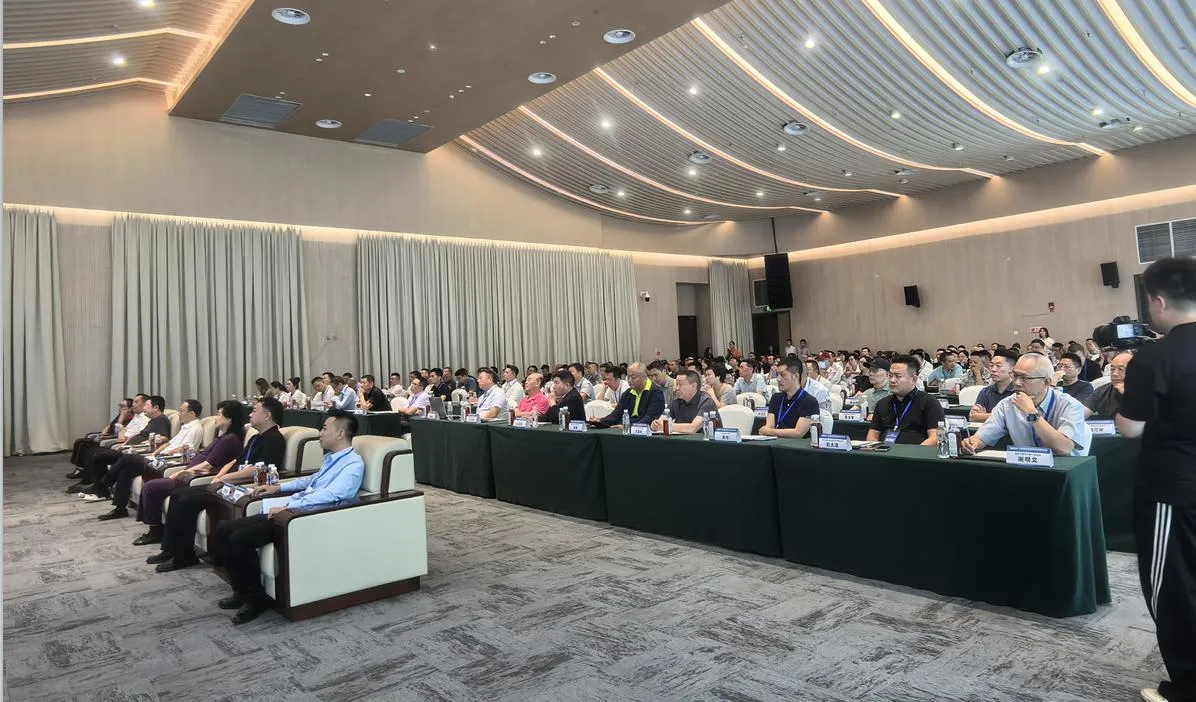
Scene from the 2026 Symposium on Biodegradable Technologies and Ecological Development
The two roundtable sessions at the forum, themed “Empowering Through Standards: Degradation and Quality Improvement” and “Industrial Collaboration and Market Applications,” featured in-depth discussions from professional perspectives, allowing all guests to experience a “brainstorming” session on topics such as technological innovation, communication empowerment, food safety, and industry oversight; Speakers included Professor Zhang Aimin from Sichuan University, Associate Professor Wang Xiaotong from Xihua University, Wang Liangcheng of Sichuan Xingda Plastics Co., Ltd. also delivered keynote speeches at the exchange meeting on the topics of “Common Challenges in Molding and Processing of Biodegradable Materials and Pathways for Formulation Optimization,” “Technologies and Applications for Polymeric-State Recycling of Waste Plastics,” and “Overcoming Challenges in the Commercial Application of Biodegradable Film Materials and Packaging Products.”
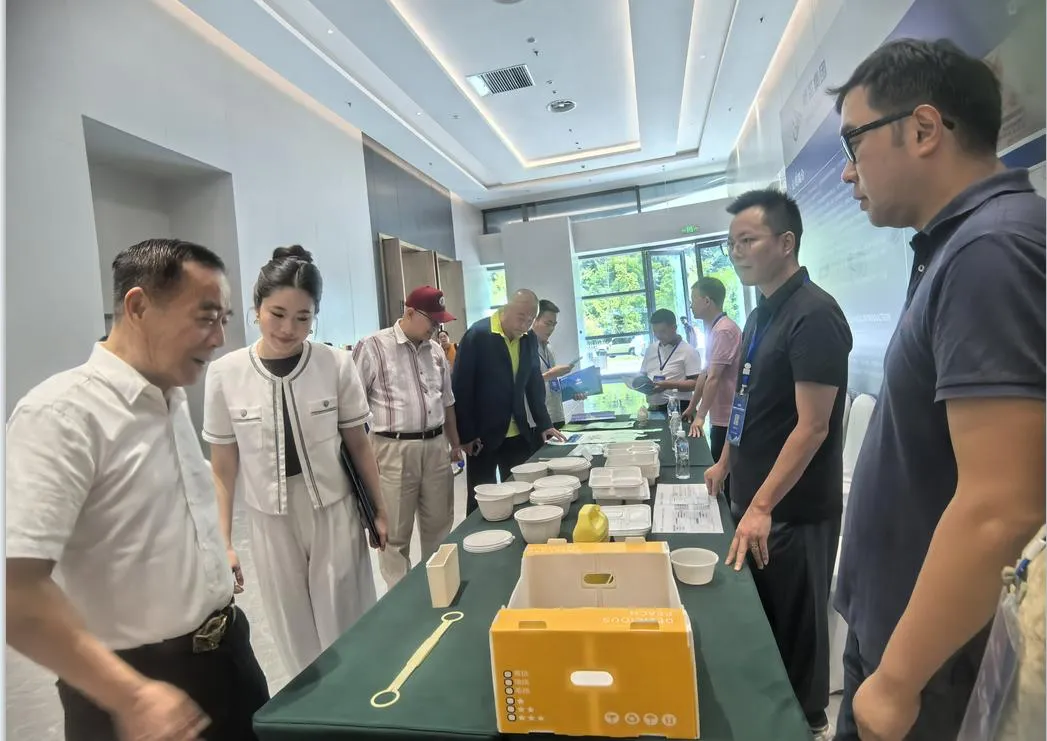
General Manager Gu Jiaoying accompanied scholars and experts at the Shangkun Group product exhibition
Gu Jiaoying, General Manager of Shangkun (Sichuan) Biotechnology Co., Ltd., reached cooperation agreements with several companies at the exchange meeting and held an on-site signing ceremony.
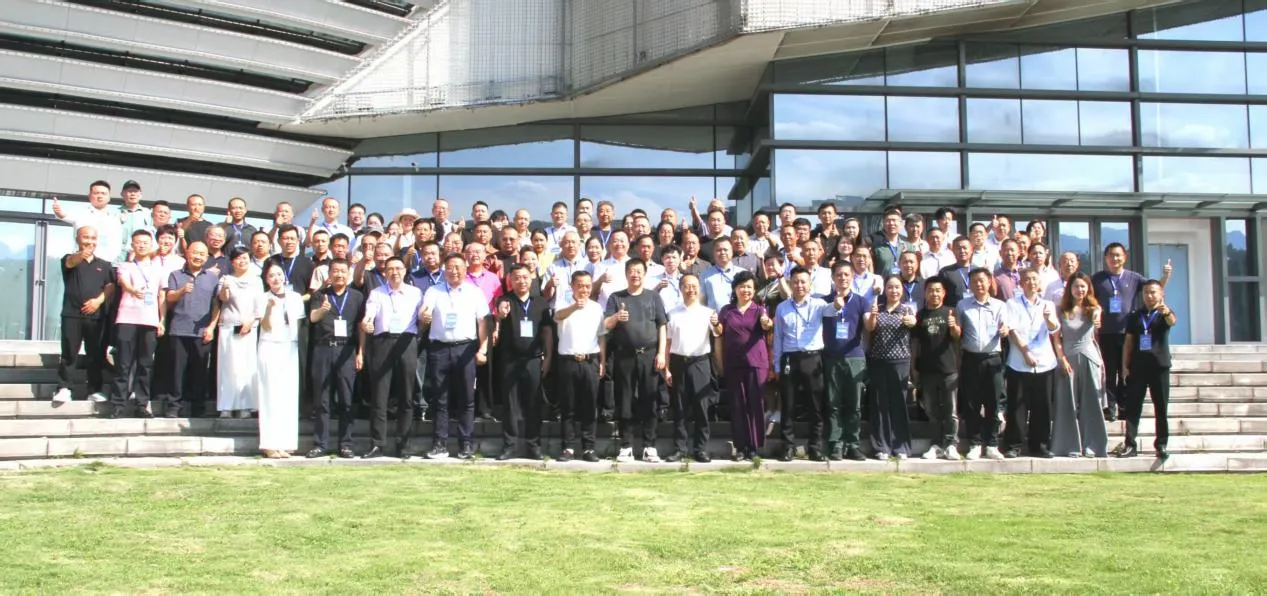
Group photo of guests and hosts during the exchange event
On August 15, 2026, the *Ecological and Environmental Code of the People’s Republic of China* will officially take effect, explicitly prohibiting and restricting non-biodegradable single-use plastic products and encouraging the use of alternative products that are recyclable, easily recoverable, biodegradable, and harmless. This means that the ”plastic ban” has been elevated from departmental regulations to the level of a code, comprehensively strengthening its legal force and making people’s lives more eco-friendly and healthy.

 English
  简体中文
简体中文  香港中文
香港中文  日本語
日本語  Español
  Português
  Français